
FutureSkin Skin Guides · Rosebery
IPL for sun spots and redness: what it can and cannot treat
Make sense of your options. Then let’s find what works for your skin.
Book a complimentary consultation ↗45 minutes with a FutureSkin dermal therapist.
Founded by Dr Amy Chahal, Medical Director.
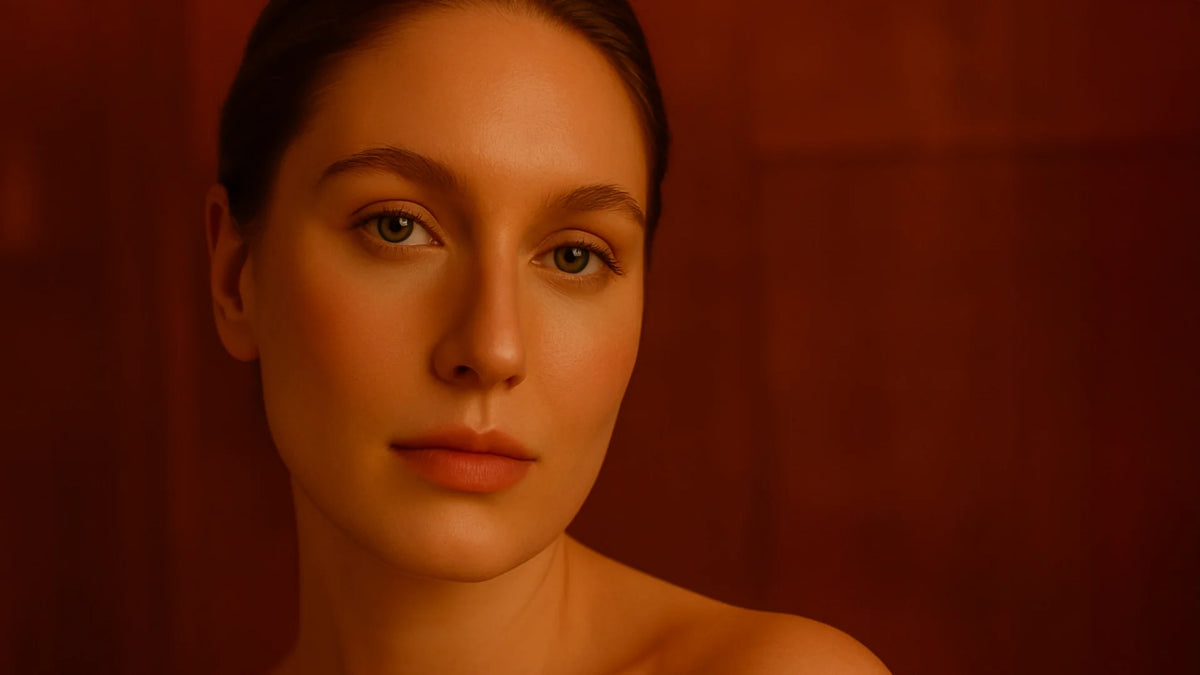
Sun spots and redness often bring people to the same search result, even though they are different concerns. IPL may be an option for selected pigmentation and visible vascular concerns, but the right starting point is understanding what is causing the colour you see. A new or changing mark needs medical assessment before anyone treats it as a cosmetic sun spot.
FutureSkin offers Dye-VL IPL in Rosebery, close to Zetland and Alexandria. We start with a complimentary skin consultation so you can discuss your concerns, current skincare and treatment history. You do not need to know whether IPL is suitable before booking that conversation. The purpose is to work out a sensible next step together.
What is IPL, and is Dye-VL a laser?
IPL stands for intense pulsed light. It uses filtered light across a range of wavelengths, while a laser uses a particular wavelength or wavelengths determined by its technology. Both may use light energy to target structures in skin, but the names are not interchangeable. DermNet explains this distinction in its IPL overview.
Dye-VL is Alma's narrowband IPL technology. It is not a pulsed dye laser, despite the similar-sounding name. Alma describes its use for selected vascular concerns, including visible vessels and redness associated with rosacea. The intended targets include haemoglobin in blood vessels. See Alma's explanation of IPL for redness.
If you arrived here after searching for “pigmentation laser” or “redness laser”, that is a useful description of what you want help with. At consultation, we will explain which device is actually being proposed and why. Clear terminology makes it easier to compare recommendations and understand consent.
What can IPL help with?
After assessment, IPL may be considered for selected sun-related brown spots, visible capillaries or facial redness. Different targets require different planning. A setting used for one concern is not automatically appropriate for another, and the surrounding skin matters as much as the mark being treated.
Bring your concern in your own words. Tell us where it appears, how long you have noticed it and whether it changes with time or circumstances. Mention if you have already received a diagnosis, tried prescribed treatment or had IPL elsewhere. You can bring photographs showing changes, but an in-person assessment is still important.
Ask which part of the concern the proposed treatment would address. For example, a plan aimed at visible vessels should not be understood as a promise to remove every cause of flushing. A useful explanation separates the appearance being treated from any underlying condition that also needs care.
What should not be assumed?
IPL is not a universal solution for every brown patch or every red face. Do not assume that a mark called “pigmentation” online has the same cause as yours. Tell us if a spot has changed, bleeds, looks unusual or has never been checked. Cosmetic treatment should not replace an appropriate medical assessment.
Melasma, a recent tan, skin sensitivity and previous pigment changes deserve specific discussion rather than a standard booking decision. Your therapist may recommend further clinical assessment or a different approach. We will also ask about recent sun exposure, medicines and treatment history. A device advertised for pigmentation does not mean every skin tone and pigmentation pattern should receive the same treatment.
You should leave the consultation knowing what IPL is intended to do in your case, what it is unlikely to change, and whether ongoing skincare or other care is part of the advice. It is reasonable to take time before deciding.
What happens around an appointment?
Preparation and aftercare should be written for your plan. Ask whether you need to adjust any skincare, avoid particular activities or arrange your appointment around travel. Tell the clinic about sun exposure before the visit rather than waiting until treatment begins. Do not stop prescribed medication without advice from the prescriber.
Protective eyewear is required during IPL. Temporary redness, swelling or a sunburn-like feeling can occur; less common effects include blistering and changes in pigmentation. DermNet describes these risks in its IPL guidance. Your practitioner should explain what is expected for your settings and what would need prompt review.
Recovery planning should include everyday details: when to use your usual products, when makeup is suitable and how to manage sun protection. Ask when you can return to exercise and other treatments. Keep the clinic's contact details with your aftercare instructions so you do not have to search for them if a question comes up.
How many sessions, and what does it cost?
A consultation should explain whether a series is being considered and when progress will be reviewed. A fixed number in an advertisement cannot account for every concern. Ask what the practitioner would look for before recommending another appointment and what would prompt a different plan.
At FutureSkin, Dye-VL IPL starts from $500 per treatment. Prices are a guide. After your complimentary consultation we'll confirm a plan and total cost. Ask us about pricing for plans of three or more treatments. Confirm the area covered and any additional costs before booking.
Talk it through at FutureSkin
Our clinic is at Shop 22, The Rosebery Engine Yards, 135–151 Dunning Avenue. A complimentary 45-minute consultation with a dermal therapist gives you time to ask about IPL without having to commit to treatment. FutureSkin's founder and medical director is Dr Amy Chahal.
Explore Dye-VL IPL for pigmentation and redness and our Rosebery treatment menu. We can help clarify the options and whether medical assessment should come first.
Book a complimentary consultation about pigmentation or redness
